Why Strength Training Is Critical for Women as They Age
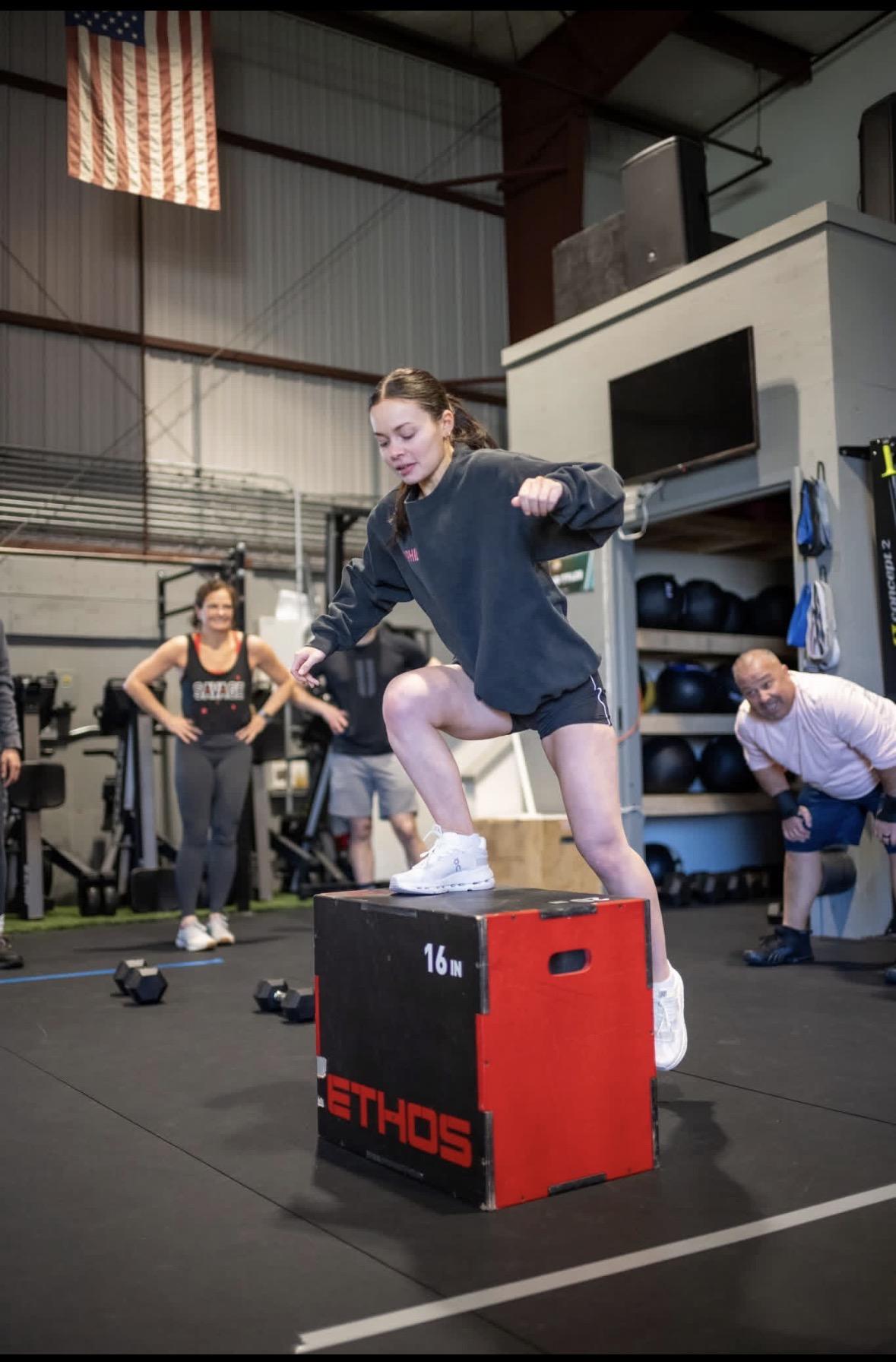
Research consistently shows that strength training is one of the most effective forms of exercise for women as they age, particularly through perimenopause and menopause.
Beginning as early as our 30s, women can lose 3–8% of muscle mass per decade, with the rate accelerating during menopause due to hormonal changes. Without resistance training, this loss impacts metabolism, bone density, balance, and overall quality of life.
Studies have demonstrated that progressive strength training improves lean muscle mass, increases bone mineral density, and reduces the risk of osteoporosis and fractures. Weight-bearing movements such as squats, deadlifts, presses, and loaded carries — core components of CrossFit training — are especially effective at stimulating bone and muscle adaptation.
Strength training also plays a key role in metabolic health. Research shows that increased muscle mass improves insulin sensitivity and resting metabolic rate, both of which are often negatively affected during menopause. This helps explain why women who lift weights tend to experience better body composition outcomes compared to those who rely solely on cardio.
At CrossFit Reckoning, our programming is built around these evidence-based principles. Classes include structured strength training paired with functional conditioning, all delivered in a coach-led, scalable environment. Research supports supervised resistance training as safer and more effective than unsupervised workouts, particularly for aging populations, due to improved technique, appropriate loading, and consistency.
Beyond physical health, studies also show that resistance training improves mood, cognitive function, and stress management, helping reduce symptoms commonly reported during menopause, including anxiety and fatigue.
CrossFit-style strength training isn't about pushing to extremes — it's about applying the right stimulus safely and consistently. At CrossFit Reckoning, we use proven training methods to help women build strength, protect their health, and remain capable and confident for years to come.
Strong isn't a trend. It's a long-term health strategy backed by science.